
TransformIng HIV InnovatIon
People living with HIV have options for effective treatment that suppresses the virus to undetectable levels. But we won’t stop – we’re developing the next generation of ultra long-acting medicines (dosing intervals of four months or longer) to help people living with and impacted by HIV around the world.
How we Innovate In HIV scIence
Through continuous innovation, we deliver on what people living with HIV want and need
We collect insights from people living with HIV around the world that inform our approach to the discovery and development of innovative new treatment and prevention options, including studies such as Positive Perspectives, ensuring patient voices directly inform and shape drug development.
To do that we prioritise developing medicines that fit their lifestyle. We know the needs of people living with HIV change over time, and we’re exploring methods of treatment and prevention through new approaches in how we target the virus and deliver medicine.
Our scientists have a single focus: ending the HIV epidemic.
How do we develop new optIons for the HIV communIty?
The process of identifying, creating, and developing generally well-tolerated and effective medication is complex and requires ongoing collaboration between different research teams. Our facility in Branford, Connecticut and Translational Research and HIV Cure Lab in Durham, North Carolina are some of the only HIV-dedicated research centres in the US, allowing our scientists to work together to discover and develop potential new HIV treatment and prevention candidates with a unified purpose: to leave no person living with HIV behind and to end the HIV epidemic.
Can we go faster? How we accelerate and delIver on the needs of people lIvIng wIth HIV
The drug discovery and development process is complex and may take many years, but our teams are working to advance the speed at which we discover and develop new medicines. Developing a new medicine requires collaboration between scientists from multiple disciplines.
At Branford, these different specialties are all housed under one roof. Molecules are designed, synthesised, and researched for activity and optimal drug-like qualities. Once this process is complete, the drug candidates are seamlessly transitioned to the early development teams thus accelerating the overall drug development process.
You can learn more about each step of the drug development process below.
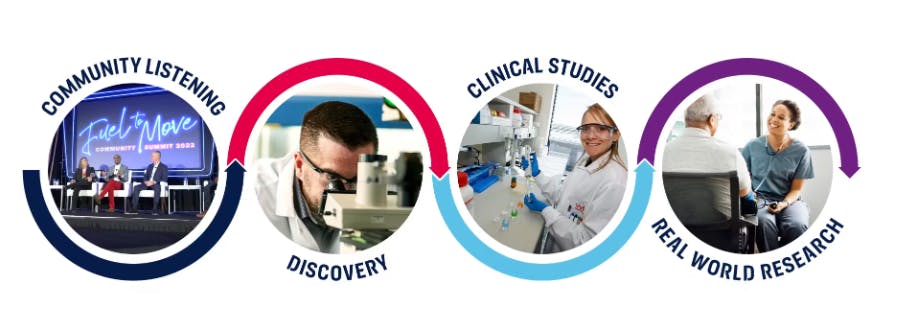
Community Listening
At ViiV Healthcare, medicine development starts by listening to the needs of the HIV community, delivering on our promise to leave no one behind. We do that through 1:1 conversations, clinical trials, community surveys and a broad range of activities with the community. By listening, we can identify critical unmet needs to better understand what kinds of medicines people want and need.
Discovery
Once we know the specific qualities people living with HIV want in a medicine, our research teams brainstorm ways to target these qualities, then design molecules and test them. Discovery scientists at ViiV’s labs research millions of molecules that might have the potential to treat, prevent, or even cure HIV with the qualities the HIV community wants.
Clinical studies
Once a discovery molecule candidate is safe to go into humans, it moves to our clinical development teams to determine the safety, tolerability and efficacy of the drug for the HIV community.
Regulatory approval
After being studied in a large enough group to determine safety and effectiveness, the medicine is submitted to a regulatory agency that will review and ultimately determine whether and how it can be used and in which groups.
Real-World Research
Our research doesn’t stop once a medicine is approved. We continue to ask people living with and impacted by HIV what they want and need. This information is called “real world evidence” because it is provided by people who are taking our medicine as part of their everyday lives and not in a controlled clinical trial setting. Our researchers then continue to help ensure that HIV medicines are used safely and effectively, and in some cases are even improved upon.
CommItted to the scIence, bound by our ambItIon
We’ve come a long way in our ambition to end the HIV epidemic, but there is still work to be done. We continue to listen to the needs of people impacted by HIV to create new, innovative options that not only suppress the virus to undetectable levels or prevent it from being acquired, but also contribute to a good quality of life.
"It's rewarding to be able to share the latest advancements with people living with HIV and to continue to provide options designed to meet their critical needs"
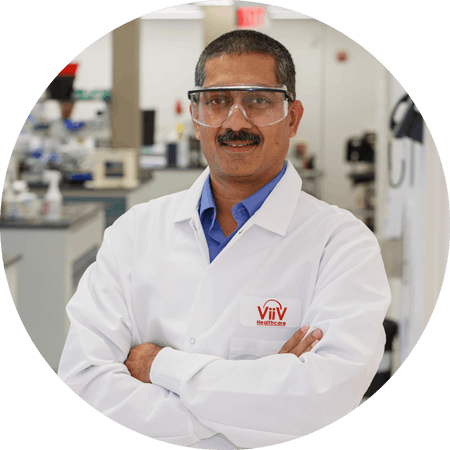
UMESH HANUMEGOWDA
VP, Head of Discovery
COMMITTED TO A CURE: OUR STRATEGY TO END HIV
Learn what a "functional cure" means, and discover the cutting-edge research behind our work towards ending the HIV epidemic.
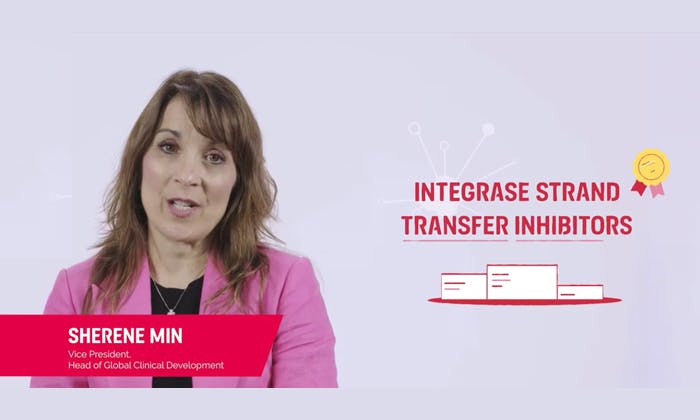
AT THE HEART OF OUR HIV PIPELINE: INSTIS
We’re advancing HIV research with different integrase strand transfer inhibitors (INSTIs) candidates, which we believe may help unlock a future free of the burden of HIV.
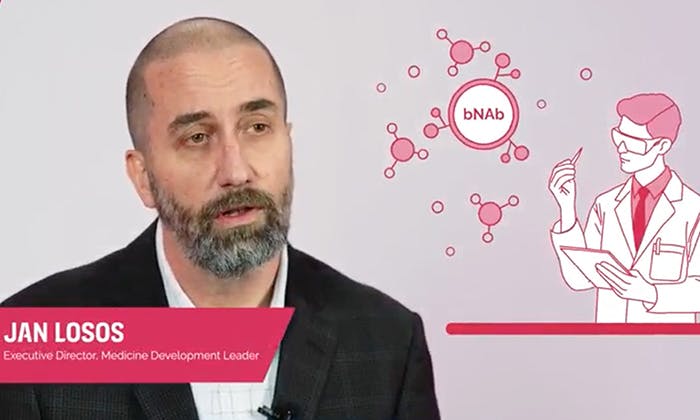
THE POTENTIAL OF bNAbs
Discover how broadly neutralising antibodies (bNAbs) may target hidden HIV reservoirs and help drive the next generation of HIV treatments and cure research.
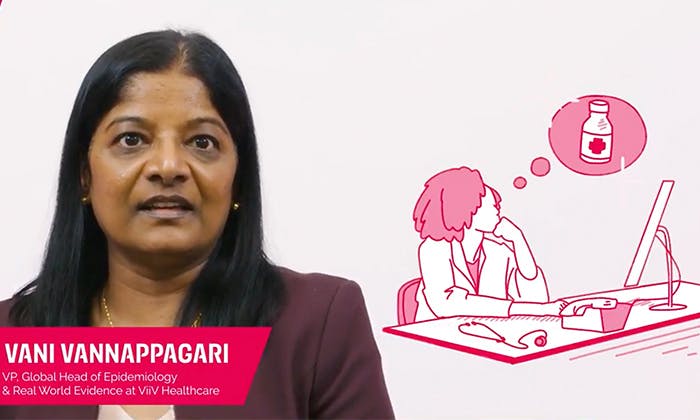
From data to day-to-day
Hear from Vani Vannappagari, Head of Epidemiology and Real World Evidence, on the importance of real-world data to help understand medicines beyond clinical trials.

THE FUTURE OF HIV MEDICINE
Watch Kimberly Brown and Bill Spreen discuss important advances in HIV care, and what the future looks like for treatment and prevention options.
YOU MIGHT ALSO BE INTERESTED IN
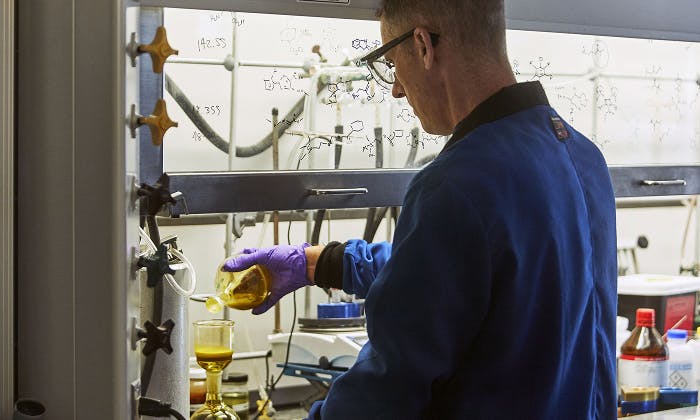
As the fight against HIV enters a new chapter, innovation, and the new therapies it brings, has the potential to transform the lives of those living with HIV.

Since the start of the HIV epidemic, researchers, scientists, and healthcare professionals have tirelessly worked to understand the virus and develop effective treatments.
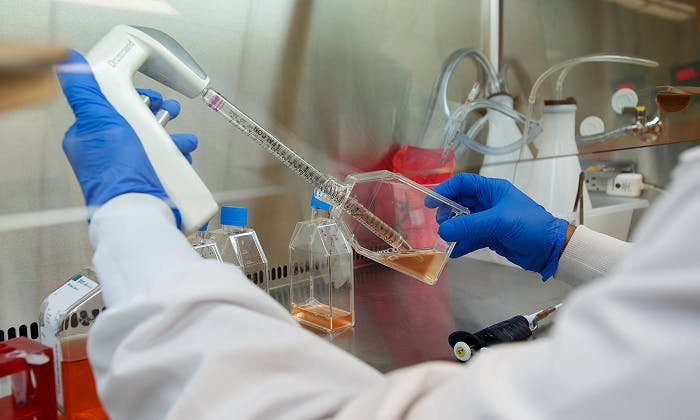
Broadly neutralising antibodies, or bNAbs, can recognise and fight off many different strains of HIV, potentially making them effective tools in treatment and prevention. At ViiV Healthcare, researchers are exploring how bNAbs not only block the HIV virus from entering cells but also target hidden virus reservoirs in the body.
NP-GBL-HVX-COCO-240022 March 2026
If you get any side effects, talk to your doctor, pharmacist, or nurse. This includes any possible side effects not listed in the package leaflet. You can also report side effects directly via the GSK Reporting Tool link https://gsk.public.reportum.com/. By reporting side effects, you can help provide more information on the safety of this medicine.
If you are from outside the UK, you can report adverse events to GSK/ ViiV by selecting your region and market, here.
